Terrace House: The Art of Almost Nothing
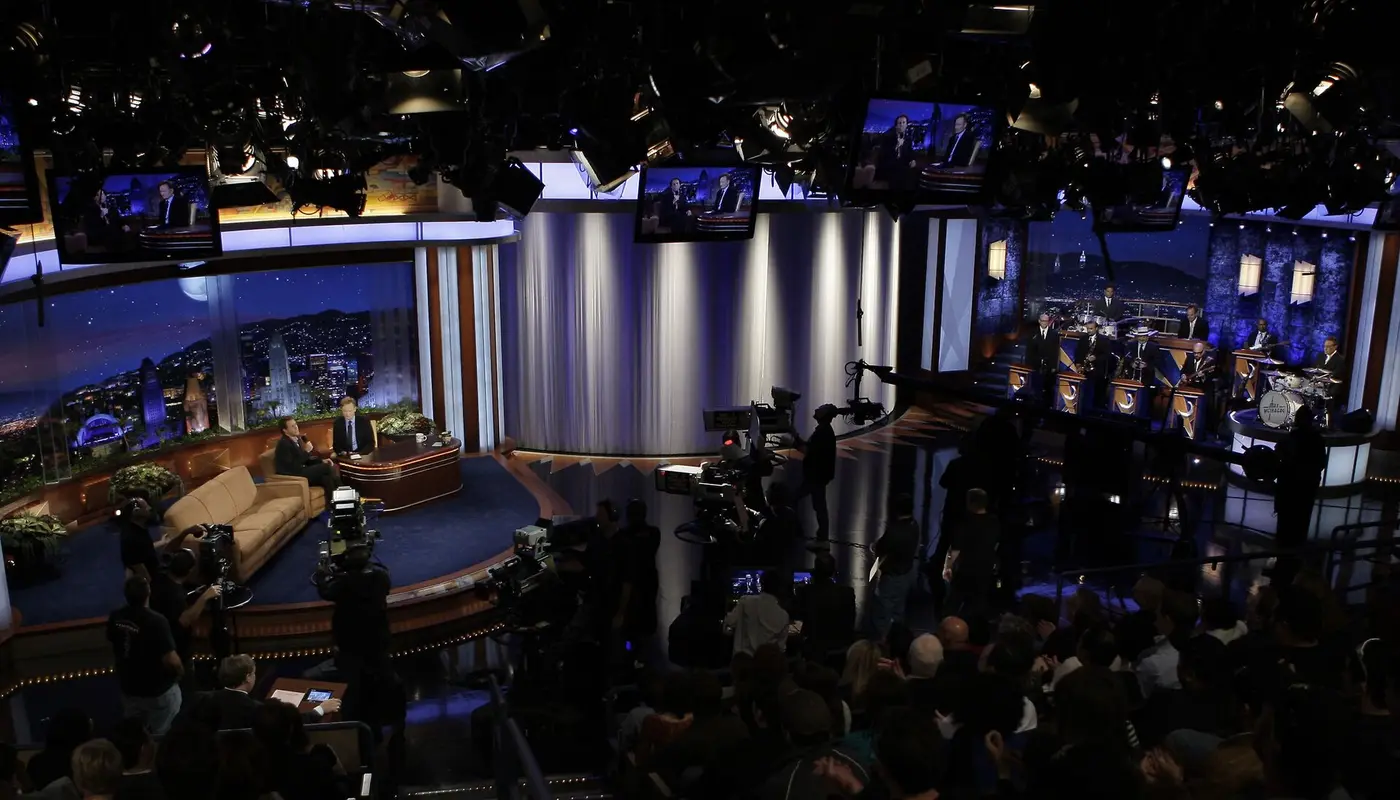
Six strangers, a flat, and almost no incident — the panel of comedians reacting from a studio is what makes it work.
The Reality Reel Desk · September 21, 2026 · 2 min read
Six strangers move into a house. They go to work, cook, date tentatively, argue about whose turn it is to do the dishes. Nothing is engineered to happen, and for long stretches nothing much does. That absence of manufactured incident is not a flaw in Terrace House. It is the entire argument.
The Premise Is the Point
Most competition and docusoap formats manufacture conflict through editing, casting for volatility, or producers nudging events along. Terrace House refuses all three, at least by the genre’s usual standards. Cast members are simply housemates, filmed living something close to ordinary life, and the show trusts that watching people navigate small, real decisions — do I ask her out, do I take the job in Osaka, do I say something about the mess in the kitchen — is compelling enough on its own. It largely is. The tension comes from social awkwardness, unspoken feeling, the slow accumulation of small choices, rather than a producer’s thumb on the scale.
The Panel Does the Work
What keeps this from becoming inert is the studio panel: a rotating group of comedians and personalities who watch the footage alongside the audience and say, often within seconds, what everyone at home is thinking. They mock the silences, dissect the subtext, call out cowardice or self-sabotage the moment it appears. It is a masterstroke of structure — the show gets to stay slow and observational while the panel supplies the pace, the wit, and the running commentary that turns a quiet dinner conversation into something you lean forward for. Strip the panel out and you have an interesting experiment. Leave it in and you have one of the better-constructed unscripted shows of its decade.
Who This Is For, and a Real Caveat
This is for people who find the shouting and confessional-booth histrionics of Western reality television exhausting, and who suspect that restraint might actually produce better television than escalation does. It rewards patience across episodes rather than single-episode payoff, so it is not for anyone wanting incident on a schedule.
The honest reservation is not really about pacing, though some will find the stillness a slog before the rhythm clicks. It concerns the format’s core promise of showing people as they really are, live, with limited protection. The Tokyo season ended amid real-world tragedy involving a cast member and online harassment that followed something broadcast about her — a matter of public record, not a plot point, and one worth sitting with before treating the show’s realism as simply a pleasant novelty. It does not undo what the earlier seasons accomplish, but it complicates any recommendation that treats unscripted intimacy as cost-free. Watch it for the craft. Keep that in mind while you do.
Newsletter
Real people, real drama, real picks
Get The Reality Reel in your inbox. No spam, and one click to leave.
Every day · Unsubscribe any time. We never sell or rent your address; read the privacy policy.